
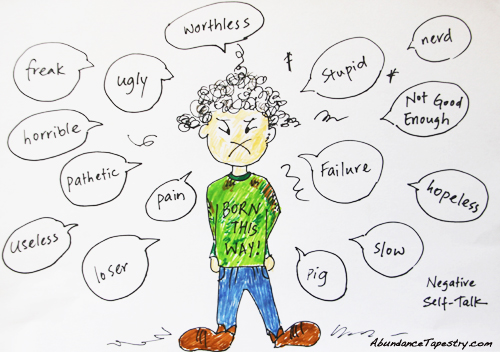
Emotional abuse is a silent, often unseen form of mistreatment that can be just as damaging as physical abuse. It erodes self-esteem, creates self-doubt, and leaves lasting scars that affect a person’s mental and emotional well-being. Unlike physical abuse, which leaves visible marks, emotional abuse wounds the mind and spirit, making it harder to recognize and confront.
What Is Emotional Abuse?
Emotional abuse is a pattern of behavior designed to manipulate, control, belittle, or isolate another person. It can occur in relationships, workplaces, friendships, and even within families. The goal of the abuser is often to gain power over their victim, breaking their confidence and independence.
Common Signs of Emotional Abuse
- Constant Criticism – Repeatedly belittling or demeaning someone, making them feel worthless.
- Manipulation and Gaslighting – Twisting facts, denying past events, or making the victim doubt their own memory and perception.
- Control and Isolation – Limiting contact with friends and family, controlling finances, or dictating personal choices.
- Blame-Shifting – Refusing to take responsibility for harmful actions and making the victim feel at fault.
- Threats and Intimidation – Using fear to manipulate, even without direct physical harm.
- Silent Treatment – Withholding communication as a means of control and punishment.
- Extreme Mood Swings – Creating an unpredictable environment where the victim constantly walks on eggshells.
The Impact of Emotional Abuse
Emotional abuse can lead to anxiety, depression, low self-esteem, and even physical health problems due to prolonged stress. Victims may struggle with self-worth, fear confrontation, or feel trapped in toxic relationships.
How to Break Free from Emotional Abuse
- Recognize the Signs – Awareness is the first step to regaining control.
- Set Boundaries – Protect yourself by limiting contact with the abuser when possible.
- Seek Support – Reach out to trusted friends, family, or professional counselors for guidance and emotional healing.
- Practice Self-Care – Prioritize your well-being, self-love, and personal growth.
- Consider Professional Help – Therapy can be an invaluable tool in overcoming emotional trauma.
You Deserve Respect
No one deserves to be emotionally abused. If you recognize these behaviors in your relationships, take steps to protect yourself and seek the support you need. Healing is possible, and you are worthy of love, respect, and peace.
If you or someone you know is experiencing emotional abuse, reach out for help. You are not alone.
Copyright 2025
Crystal Amon

 Princess Crystal Says
Leave a comment