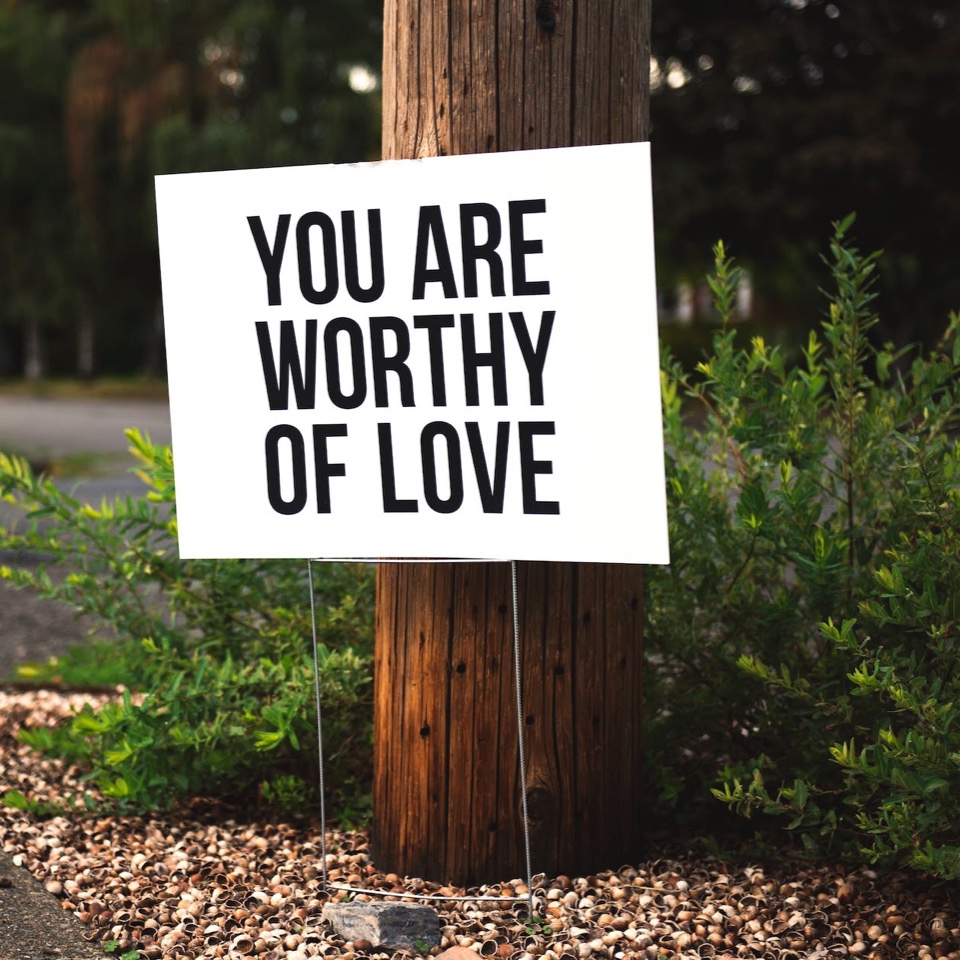
Mental abuse doesn’t leave bruises, but it leaves deep emotional scars that can take years to heal. Unlike physical abuse, which is more visible, mental abuse is subtle and often goes unnoticed—even by the victim. It can happen in romantic relationships, friendships, families, or workplaces. While some signs of mental abuse, like manipulation and gaslighting, are well known, others are rarely discussed.
Here are some overlooked emotional signs that may indicate someone is experiencing mental abuse.
1. Constantly Apologizing for Everything
A person who has been mentally abused may find themselves saying “I’m sorry” excessively, even for things that aren’t their fault. This happens because they have been conditioned to believe they are always to blame. Over time, they may feel like they must apologize to avoid conflict or negative reactions.
2. Feeling Numb or Emotionally Disconnected
One of the most hidden effects of mental abuse is emotional numbness. When someone is repeatedly criticized, ignored, or manipulated, their brain may go into self-protection mode by shutting down emotions. They may struggle to feel joy, excitement, or even sadness, as if they are emotionally detached from their own life.
3. Feeling Guilty for Having Needs
Mental abusers often make their victims feel like their needs are a burden. Over time, the victim may start suppressing their feelings, desires, and opinions to avoid seeming “difficult.” They may even feel guilty for asking for basic things like respect, attention, or support.
4. Becoming Overly Agreeable and Fearful of Conflict
A victim of mental abuse might avoid arguments at all costs. Even when they have strong opinions, they may keep quiet to prevent an argument or emotional backlash. They might say things like, “It’s not worth it,” or “I don’t want to upset them.” This can make them lose their own identity over time.
5. Feeling Like They’re “Too Sensitive”
Abusers often gaslight their victims by telling them they are overreacting, too sensitive, or imagining things. This makes the victim doubt their own feelings and reality. They might start questioning whether they are actually in the wrong, even when their emotions are completely valid.
6. Feeling Anxious When Receiving a Message or Call
Someone who has been mentally abused may feel a rush of anxiety every time their phone rings or they get a text from the abuser. Their body reacts with stress because they subconsciously fear criticism, manipulation, or another emotional attack.
7. Struggling to Make Decisions, Even Small Ones
Mental abuse often leads to decision paralysis because victims have been made to feel like they always make the wrong choices. Even small decisions, like choosing where to eat or what to wear, can feel overwhelming. They fear making mistakes and facing judgment.
8. Overexplaining Everything to Justify Themselves
A person who has been mentally abused may feel the need to over-explain their choices, actions, or feelings. Since they were often accused of being wrong, they feel like they must justify everything to avoid criticism.
9. Feeling Relief, Not Happiness, When Things Are “Good”
Instead of feeling true happiness in moments of peace, a mentally abused person may feel relief—relief that their abuser isn’t angry, disappointed, or criticizing them. This is because their nervous system is conditioned to expect conflict, making peace feel like a temporary escape rather than real security.
10. Feeling Emotionally Drained Without Knowing Why
Mental abuse slowly drains a person’s emotional energy, leaving them feeling exhausted and empty. Even if they aren’t in an active argument or conflict, their subconscious is constantly on edge, leading to burnout, stress, and depression.
Breaking Free from Mental Abuse
If you recognize these signs in yourself or someone you love, it’s important to acknowledge that mental abuse is real and damaging. Healing starts with:
• Recognizing the abuse – Understanding that your emotions are valid and that you don’t deserve mistreatment.
• Setting boundaries – Learning to say no and prioritizing your emotional well-being.
• Seeking support – Talking to a trusted friend, therapist, or support group can help you regain confidence.
• Rebuilding self-worth – Practicing self-care, self-love, and positive affirmations can help undo years of emotional damage.
Final Thoughts
Mental abuse doesn’t always look like screaming or insults. Sometimes, it’s the slow erosion of self-worth, the constant fear of conflict, or the feeling that your emotions don’t matter. If you or someone you know is struggling, remember: you are not alone, you are not crazy, and you deserve respect, love, and peace.
Copyright 2025
Crystal Amon


 Princess Crystal Says
Leave a comment