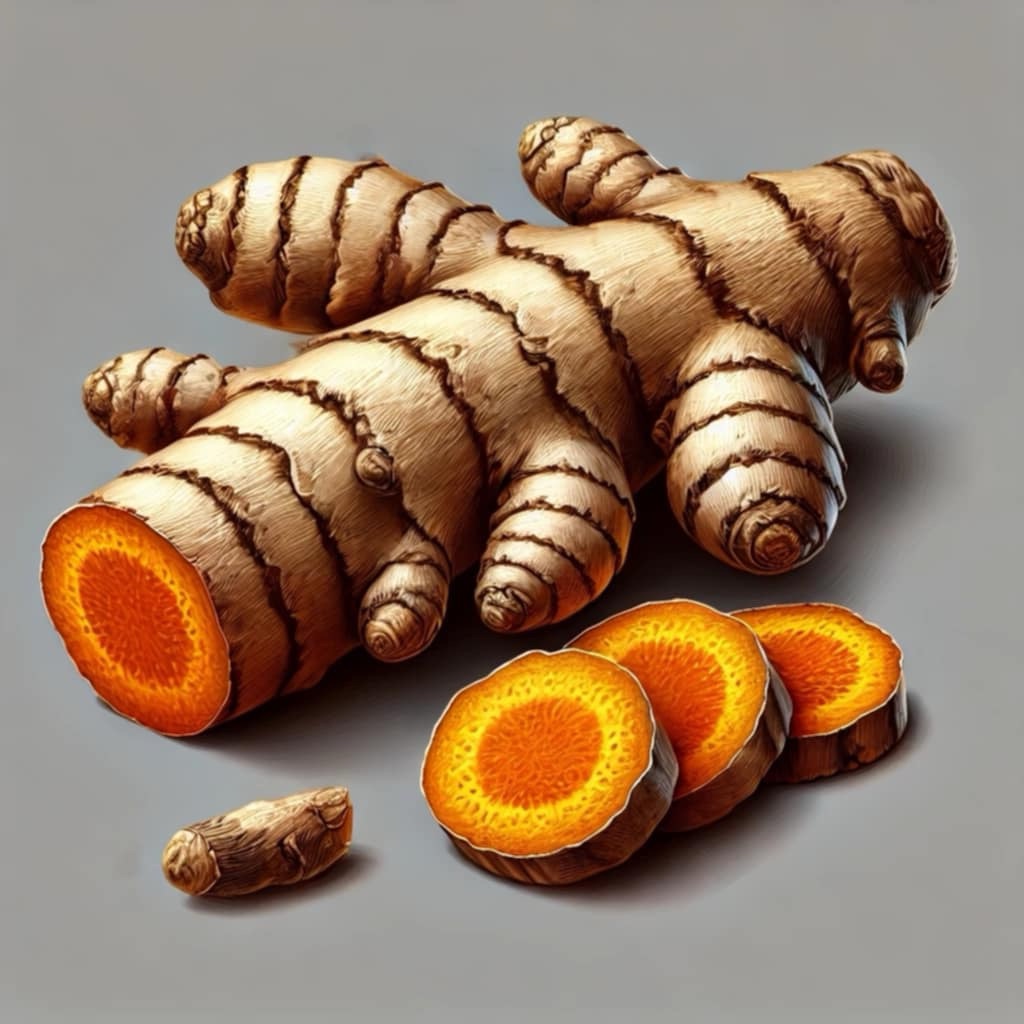
Turmeric, a golden-yellow spice derived from the Curcuma longa plant, has been used for centuries in traditional medicine, particularly in Ayurveda and Traditional Chinese Medicine. Beyond its culinary use, turmeric is celebrated for its medicinal properties, primarily due to its active compound, curcumin. Scientific research continues to uncover its vast health benefits, making it a popular supplement for overall wellness.
1. A Natural Anti-Inflammatory Powerhouse
Chronic inflammation is linked to many diseases, including heart disease, cancer, arthritis, and Alzheimer’s. Curcumin, the primary bioactive compound in turmeric, has been shown to have strong anti-inflammatory properties, comparable to some pharmaceutical drugs but without the side effects. It works by inhibiting molecules like NF-κB, which play a key role in inflammation.
2. A Potent Antioxidant for Cellular Health
Turmeric is rich in antioxidants, which help neutralize harmful free radicals in the body. Free radicals contribute to aging and many chronic diseases by damaging cells and DNA. Curcumin not only scavenges free radicals but also boosts the body’s own antioxidant defenses, enhancing cellular protection.
3. Supports Brain Health and Cognitive Function
Curcumin has been linked to increased levels of Brain-Derived Neurotrophic Factor (BDNF), a growth hormone that supports neuron function. Low levels of BDNF are associated with cognitive decline, depression, and neurodegenerative diseases like Alzheimer’s. Studies suggest that turmeric may help delay or even reverse brain degeneration while improving memory and mood.
4. Enhances Heart Health
Heart disease remains one of the leading causes of death worldwide. Curcumin may improve heart health by improving endothelial function (the lining of blood vessels), reducing inflammation, and preventing oxidative stress—key contributors to heart disease. It may also help lower cholesterol and regulate blood pressure.
5. A Natural Ally Against Arthritis and Joint Pain
Many studies have found that turmeric can be effective in managing arthritis, particularly osteoarthritis and rheumatoid arthritis. Its anti-inflammatory properties help reduce joint pain and stiffness, making it a natural alternative to nonsteroidal anti-inflammatory drugs (NSAIDs). Some studies even suggest that curcumin supplements may be as effective as certain arthritis medications.
6. Aiding Digestion and Gut Health
Turmeric has long been used to support digestive health. It stimulates bile production, aiding fat digestion, and has been studied for its potential to relieve symptoms of irritable bowel syndrome (IBS) and inflammatory bowel diseases (IBD) like Crohn’s disease and ulcerative colitis.
7. May Help Reduce Cancer Risk
Curcumin has shown promise in cancer research for its ability to slow tumor growth, reduce angiogenesis (the formation of new blood vessels in tumors), and trigger cancer cell death. While more research is needed, turmeric’s anti-inflammatory and antioxidant properties suggest it could play a role in cancer prevention.
8. Boosts Immune Function
Turmeric has immune-modulating properties that help the body fight infections and diseases. Its antibacterial, antiviral, and antifungal effects make it a powerful ally during cold and flu season. Many people use turmeric supplements or golden milk (a turmeric-based drink) to support their immune system naturally.
9. Supports Liver Detoxification
The liver plays a crucial role in detoxifying the body, and turmeric may enhance its function. Studies suggest that curcumin can boost liver enzymes responsible for detoxification, helping the body flush out toxins more efficiently.
How to Incorporate Turmeric into Your Diet
To reap the benefits of turmeric, you can:
• Add it to soups, curries, and smoothies
• Drink golden milk (turmeric, milk, and spices)
• Take turmeric supplements (with black pepper for better absorption)
• Use it as a seasoning for roasted vegetables and meats
Final Thoughts
Turmeric is more than just a spice; it’s a powerful natural remedy with a wide range of health benefits. Whether you’re looking to reduce inflammation, support brain and heart health, or simply enhance your overall well-being, turmeric can be a valuable addition to your diet. However, it’s essential to consult a healthcare professional before taking high doses, especially if you’re on medication, as turmeric can interact with certain drugs.
By incorporating turmeric into your daily routine, you can harness its healing properties and support a healthier, more vibrant life.
Copyright 2025
Crystal Amon

 Princess Crystal Says
Leave a comment