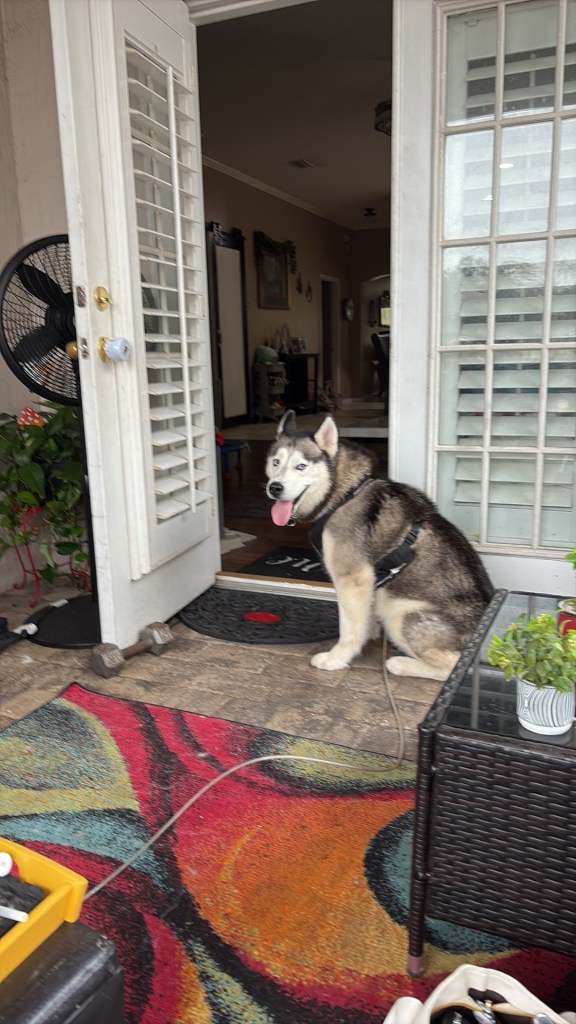
Potty training is one of the first and most important lessons for any new dog owner. Whether you’re bringing home a new puppy or an older rescue, teaching them where and when to go to the bathroom requires patience, consistency, and positive reinforcement.
If you’re feeling overwhelmed, don’t worry! This guide will walk you through everything you need to know to successfully potty train your furry friend.
Why Potty Training Is Important
Potty training isn’t just about keeping your home clean—it’s about establishing a routine, building trust, and strengthening the bond between you and your dog. A well-trained dog is a happy dog, and proper potty habits contribute to a stress-free home for both of you.
When to Start Potty Training
It’s best to start potty training as soon as your dog comes home. Puppies can begin training as early as 8 weeks old, while older dogs may take a little longer to adjust but can still learn with the right approach.
Step-by-Step Potty Training Guide
1. Establish a Routine
Dogs thrive on routine, so set a consistent schedule for bathroom breaks. Take your dog out:
• First thing in the morning.
• After meals and naps.
• Before bedtime.
• Every 1-2 hours for puppies (they have smaller bladders).
Use the same door and potty spot each time to help them associate the area with bathroom time.
2. Use Positive Reinforcement
Whenever your dog successfully goes potty outside, immediately reward them with praise, treats, or playtime. Dogs learn best through positive reinforcement, so make sure they associate going outside with good things!
3. Watch for Signs They Need to Go
Your dog will often give signals when they need to go. Common signs include:
• Sniffing the floor.
• Circling or pacing.
• Whining or scratching at the door.
• Suddenly stopping play.
As soon as you notice these signs, take them outside right away.
4. Use a Crate or Designated Space
Crate training can be a helpful tool in potty training. Dogs naturally avoid soiling their sleeping area, so keeping them in a crate when unsupervised can prevent accidents. Just be sure to take them outside frequently and never use the crate as punishment.
If you’re not using a crate, you can also confine your dog to a specific area of the house until they are fully trained.
5. Clean Accidents Thoroughly
Accidents will happen, especially in the early stages. When they do, clean the area thoroughly with an enzymatic cleaner to remove odors. This prevents your dog from returning to the same spot.
6. Be Patient and Consistent
Potty training takes time—some dogs learn quickly, while others need more reinforcement. Stay patient, avoid punishment, and stick to your routine. If you scold your dog after an accident, they may become fearful rather than understanding what went wrong.
Common Potty Training Challenges and Solutions
1. My Dog Won’t Go Outside
• Try using a leash and guiding them to the potty spot.
• Take them to a quiet area with minimal distractions.
• If they don’t go, bring them inside and try again in 10-15 minutes.
2. My Dog Has Accidents Inside
• Increase the number of bathroom breaks.
• Supervise them more closely, especially after eating or drinking.
• Use a consistent cue like “Go potty” to help them understand.
3. My Puppy Goes Outside but Still Has Accidents Indoors
• They may not fully understand yet. Keep reinforcing the behavior with praise and treats.
• Limit their access to the house until they are consistently potty trained.
4. My Dog Pees When Excited or Scared
• This is called submissive urination and is common in puppies.
• Avoid overly excited greetings and encourage calm interactions.
• Build their confidence with positive reinforcement and training.
Final Thoughts
Potty training takes time, but with consistency, patience, and lots of praise, your dog will learn to do their business in the right place. Every dog is different, so be flexible and adjust your approach as needed.
Have you potty trained a dog before? Share your best tips and experiences in the comments below!
Copyright 2025
Crystal Amon

 Princess Crystal Says
Leave a comment