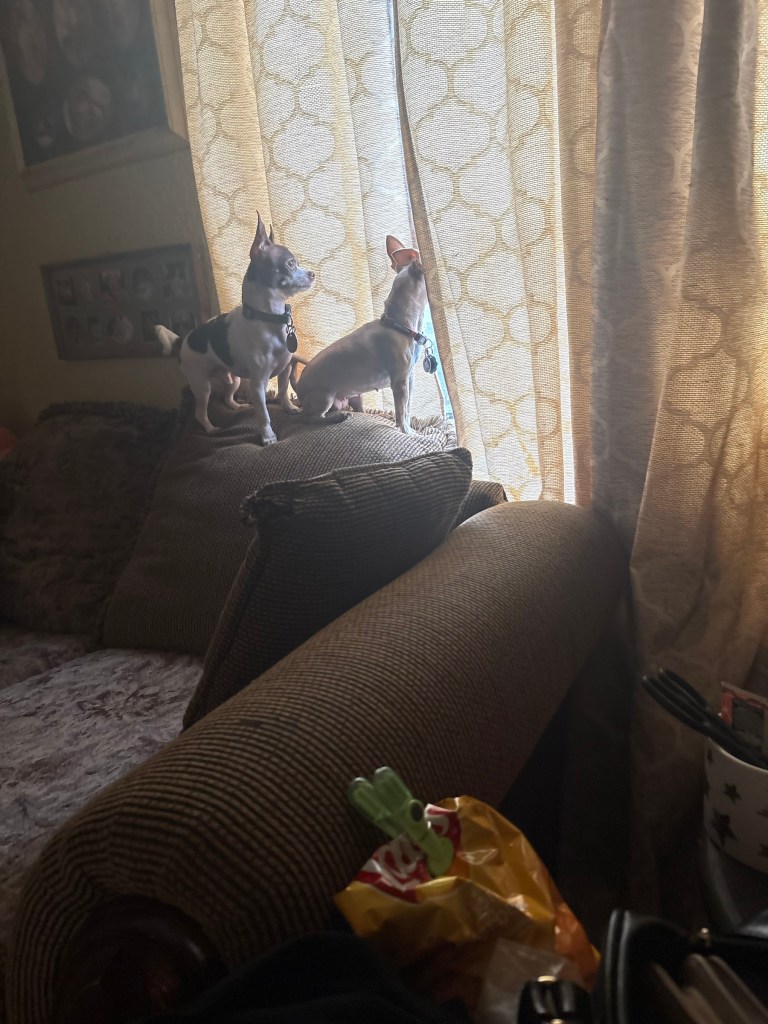
Relocating to a new home can be a stressful experience, and if you have a furry friend, it adds another layer of consideration. Pets are creatures of habit, and the changes that come with moving can be disorienting for them. Whether you’re relocating across the city or to a completely different state, it’s essential to plan ahead to ensure a smooth transition for both you and your pet.
Here’s a complete guide to help you navigate the process of moving with a pet:
1. Prepare Your Pet Early
The earlier you start preparing your pet for the move, the better. Pets, especially dogs and cats, can be sensitive to change. To ease the stress, gradually introduce them to new experiences leading up to the move. For instance, start packing your home a few weeks in advance. This way, your pet can slowly adjust to the sight of boxes and the idea of change.
2. Visit the Vet
Before moving, it’s a good idea to take your pet to the vet for a health checkup. Ensure that vaccinations are up to date, and ask for copies of their medical records, especially if you’re moving to a new state or country. If you need to switch vets, having all their medical history will make the transition easier.
You might also want to ask your vet for recommendations on calming products for anxious pets, such as pheromone diffusers, anti-anxiety medication, or calming treats.
3. Plan the Logistics
The logistics of moving with a pet will depend on your mode of transportation and distance:
• By car: If you’re driving to your new home, ensure your pet is safely secured during the trip. A crate or a seatbelt harness can help keep your pet safe. Make frequent stops so your pet can stretch, drink water, and relieve itself.
• By air: Flying with a pet requires special planning. Make sure to book a direct flight to minimize stress, and check with the airline for their specific pet policies. Invest in an airline-approved pet carrier that is well-ventilated and comfortable for your furry friend. You may also need to acclimate your pet to their carrier ahead of time.
• By train or bus: Some forms of public transportation allow pets, but policies vary. Be sure to research pet-friendly transportation options in advance and prepare your pet for the journey accordingly.
4. Create a Comforting Space in the New Home
Once you arrive at your new home, try to set up a quiet, familiar space for your pet. This can be their bed, a favorite blanket, or their toys. Having a comforting area will help them adjust to their new environment. Keep the routine as similar as possible to what it was before the move—feed your pet at the same times, go on regular walks, and maintain the same playtime schedule.
5. Introduce Your Pet to the New Home Slowly
When you first arrive, avoid overwhelming your pet by letting them explore every room all at once. Introduce them to one area at a time, especially if you have a large home. Allow your pet to explore at their own pace, and be sure to supervise them closely during the first few days, as they may get anxious in unfamiliar surroundings.
6. Keep Familiar Scents Around
Pets, especially cats and dogs, are very sensitive to smell. Keeping familiar scents around them can offer comfort. Try to bring along their bedding, toys, or anything that has their scent. If you’re moving a long distance, consider getting a pheromone diffuser, which can help ease your pet’s anxiety and create a calming atmosphere in the new home.
7. Maintain a Routine
Pets thrive on routine, and disruptions can lead to stress and behavioral issues. After the move, try to stick to their usual schedule as much as possible. This includes feeding times, walks, playtime, and bedtime. A familiar routine will help your pet feel safe and secure as they adjust to the new space.
8. Give Extra Attention and Patience
Moving is a big change for your pet, so it’s important to be patient and understanding. They may act out, become withdrawn, or even experience changes in their eating or bathroom habits. Offer extra love and attention during this transition period. In some cases, pets may need several weeks to fully adjust to their new home, so give them time.
9. Update Pet Information
Don’t forget to update your pet’s identification information. This includes their collar tag, microchip details, and any registration with local authorities. If you’ve moved to a new area, it’s also important to find a local vet and emergency pet services in case your pet needs immediate attention.
10. Take It Slow
Finally, give your pet time to adjust. Each pet is different, and some may settle into their new environment more quickly than others. Avoid rushing the process or forcing your pet to do things they aren’t comfortable with. Take it slow, offer reassurance, and soon enough, your pet will feel right at home.
Conclusion
Moving with a pet requires careful planning, patience, and a bit of extra effort, but with the right approach, it can be a smooth and stress-free experience. By preparing in advance, creating a familiar environment in the new home, and offering your pet plenty of comfort and attention, you can help them adapt to their new surroundings and make the transition a positive one. Remember, the more you can make the experience feel like a continuation of their familiar life, the easier it will be for both you and your pet.
Happy moving, and here’s to your pet enjoying their new home!
Copyright 2024
By, Crystal Amon

 Princess Crystal Says
Leave a comment